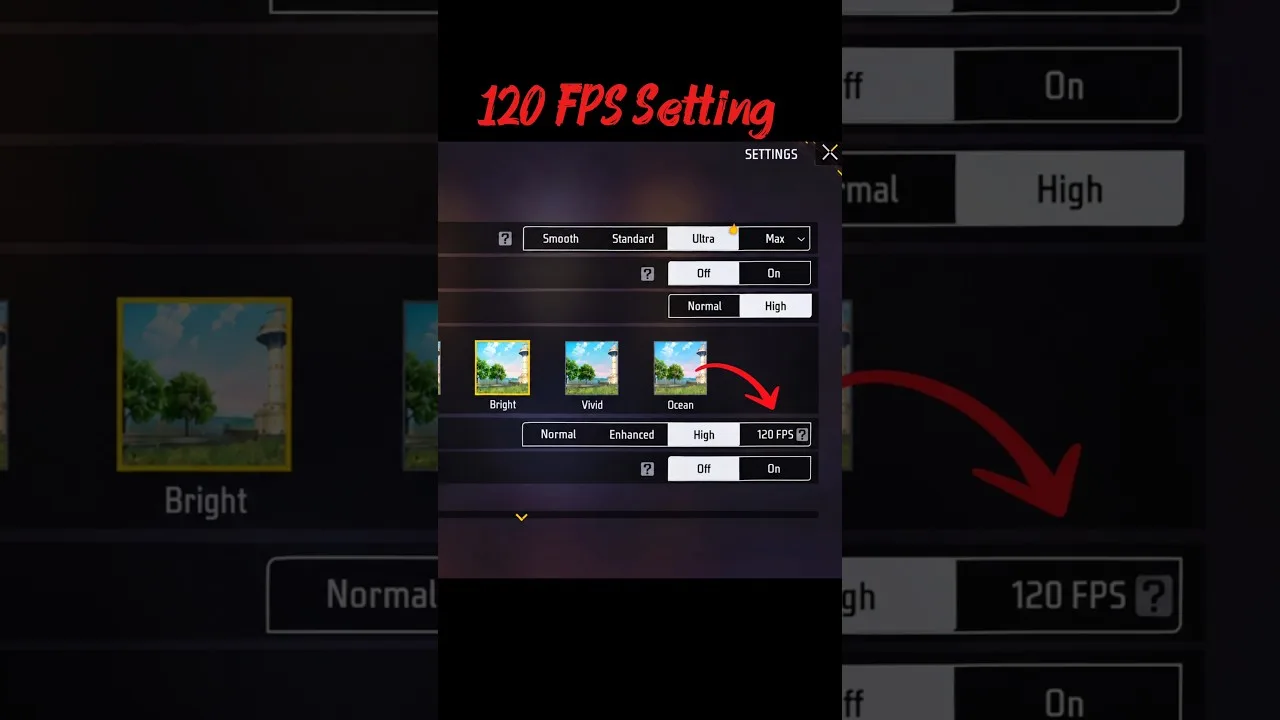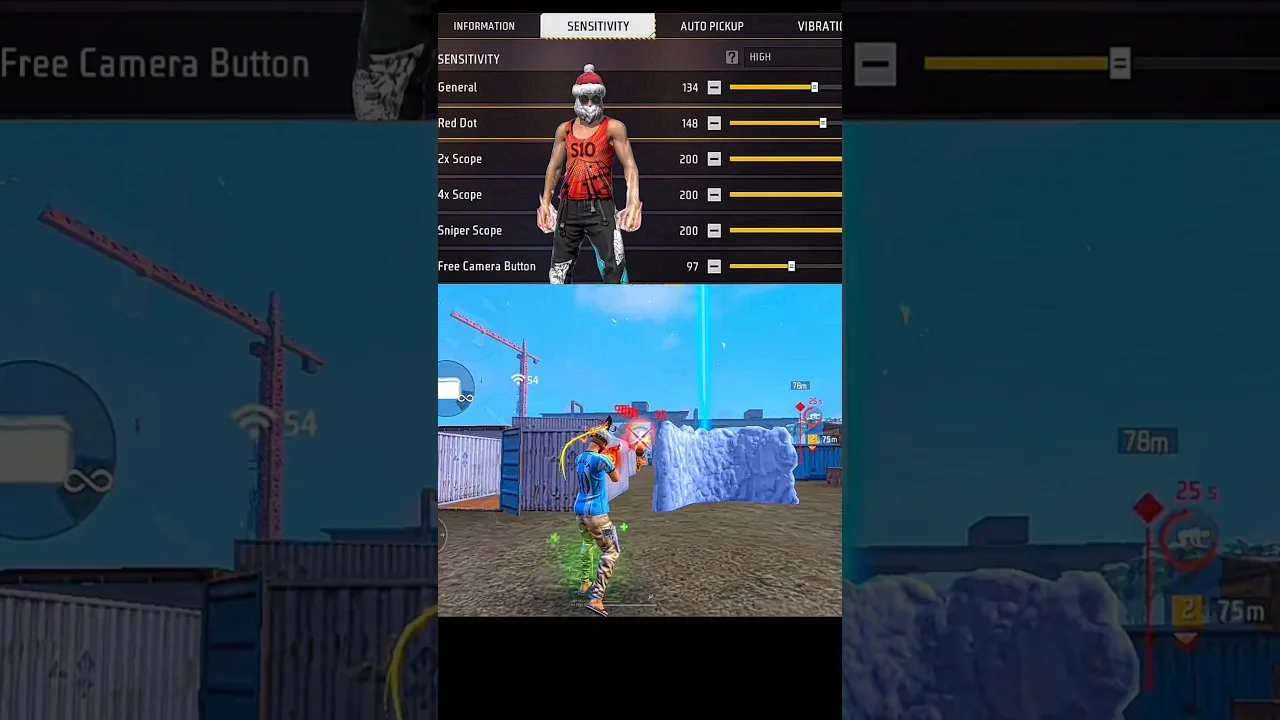
Most sensitivity problems are not caused by choosing the wrong number; they are caused by habits that make every number impossible to judge. Players change several sliders at once, copy complete setups without their context, or rebuild everything after two bad matches, then wonder why their aim never settles.
This roundup names the mistakes clearly so you can stop making them. Keep the app open at Sensibilidades tuning app while you read, compare your current habits honestly, and treat the fixes as a calmer routine rather than another dramatic reset of all your values at once.
Mistake One: Changing Everything at Once
Adjusting general, red dot, scopes and DPI in a single sitting feels productive, but it destroys information. If aim improves, you do not know what helped. If it worsens, you do not know what to undo. Either way the session taught you nothing, and the next session starts from confusion instead of knowledge.
The fix is discipline: one slider, one small step, one test. It feels slower for a day and faster for a month, because every change adds to a growing record of what your hands actually respond to. Players who test this way stop needing full resets, since they always know the last change and its exact effect.
Mistake Two: Copying Without Context
A screenshot of numbers is not a setup. Without the poster's DPI, device, screen size and button layout, copied values are only half a system, and judging them after one match is doubly unfair. The borrowing method in copying pro sensitivity values guide shows how to take the useful structure from a shared setup while adjusting the numbers to your own phone before deciding anything.
Related to this is chasing every new shared setup you see. Each switch resets your adaptation and guarantees permanent unfamiliarity, which feels like bad sensitivity but is really no sensitivity at all: your hands never get the weeks of repetition that turn a decent setup into reliable muscle memory.
Mistake Three: Judging by Highlights and Bad Matches
A single spectacular play does not prove a setup, and a single terrible match does not condemn one. Matches mix aim with positioning, weapon choice, opponent skill and plain luck. Judging sliders by match outcomes alone leads to constant changes driven by whoever you happened to face that evening.
Judge by drills and by patterns across days instead. If your tracking drill scores are stable and your drag stops land at head height consistently, the setup is working even on a losing night. If real problems appear inside the app itself, separate them from settings questions using common Sensibilidades problems and fixes guide before changing values to fix what may be a technical issue.
Mistake Four: Never Recording What Worked
The most expensive mistake is also the quietest: finding a setup that feels great, changing it during a curious moment, and having no record to return to. Memory is not a record; it rounds numbers, forgets DPI and invents confidence. Weeks of testing can be lost in one undocumented experiment.
Keep a simple list of your proven values, including DPI, button size and graphics choice, updated whenever a change survives testing. That list is your safety net, your transfer kit for a new phone, and your proof of progress. With it, experimentation becomes free, because a failed idea costs one session instead of your entire setup.
Putting This Into Practice
Set aside one short session devoted only to breaking the habits that keep aim unsettled. Do not chase wins during this session and do not judge the setup by the scoreboard at the end of it. Your only task is to repeat the same movements until they feel ordinary: one change, one test and one written verdict before anything else moves. When a movement starts to feel ordinary, that is useful information, because ordinary means your hands have stopped negotiating with the setting and have started trusting it. Write down what felt easier and what still felt awkward while the session is fresh, using plain words you will understand when you read the note again next week.
Next, carry the same focus into two or three normal matches without changing anything, even if the first match goes badly. A setup for breaking the habits that keep aim unsettled has to survive different maps, different weapons and the small panic that arrives when a fight starts closer than expected. If it only works in a quiet training room, it is not finished yet, and the honest response is one small adjustment followed by the same test again, not a full rebuild. If it works across those matches, protect it: record the values, leave them alone for several days, and let repetition turn a good test result into dependable muscle memory you can rely on under pressure.
Finally, review the result at the end of the week rather than at the end of a single evening. Ask one simple question: did breaking the habits that keep aim unsettled feel more predictable than it did seven days ago? Predictable is the right standard, because competitive aim is built on movements you can repeat when tired, rushed or surprised. If the answer is yes, keep the setup and move your attention to the next weakest part of your game. If the answer is no, change the one value most closely connected to the problem, by the smallest step you can feel, and repeat the weekly cycle with the same patience.
Final Thoughts
Avoid these four habits and sensitivity stops being a lottery. One change at a time, context before copying, drills before verdicts, and a written record underneath everything: that routine is unglamorous and it works for almost every player who sticks to it.
Your aim does not need a miracle number. It needs a stable system, tested calmly and kept long enough for your hands to master it.