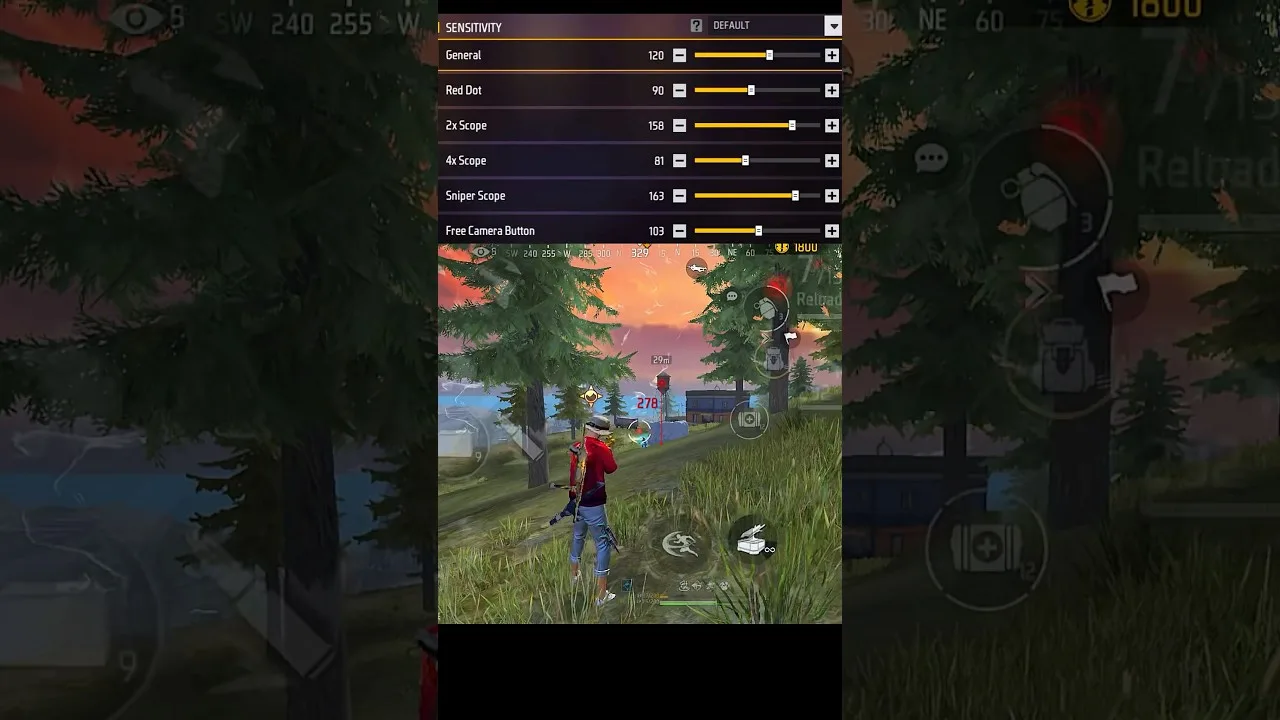
Sensitivity questions repeat because the underlying confusion repeats: players are rarely short of numbers, they are short of a method for judging numbers. This FAQ collects the questions Sensibilidades users ask most about Free Fire sensitivity and answers each one with the practical rule behind it, not just a value to copy.
If you are new to the app, start at Sensibilidades Android tool for device-based starting values, then use these answers to decide how to test them. Readers who want the longer version of any answer here will find it in the linked guides, especially the sensitivity mistakes to avoid guide for the habits that quietly undo good setups.
How Often Should I Change My Sensitivity?
Change a value when a drill shows a repeatable problem, not when a match goes badly. In practice that means most settled players adjust something every few weeks, in one small step, and then leave the setup alone long enough for their hands to learn it. Daily changes guarantee permanent unfamiliarity, which feels like bad sensitivity but is really the absence of a stable one.
New players are the exception: during the first weeks, structured testing sessions that explore values are how you find your base. Even then, change one slider at a time and record results, so exploration builds knowledge instead of noise. Exploration with notes is learning; exploration without notes is just wandering between numbers.
Which Slider Should I Adjust First?
Almost always the general slider, because it is the base your other values build on and the one that decides turning, the most frequent movement in the game. If turning feels right and scoped tracking feels wrong, then the relevant scope or red dot value is next. Adjusting scoped values to fix a turning problem never works, and it corrupts values that were previously correct.
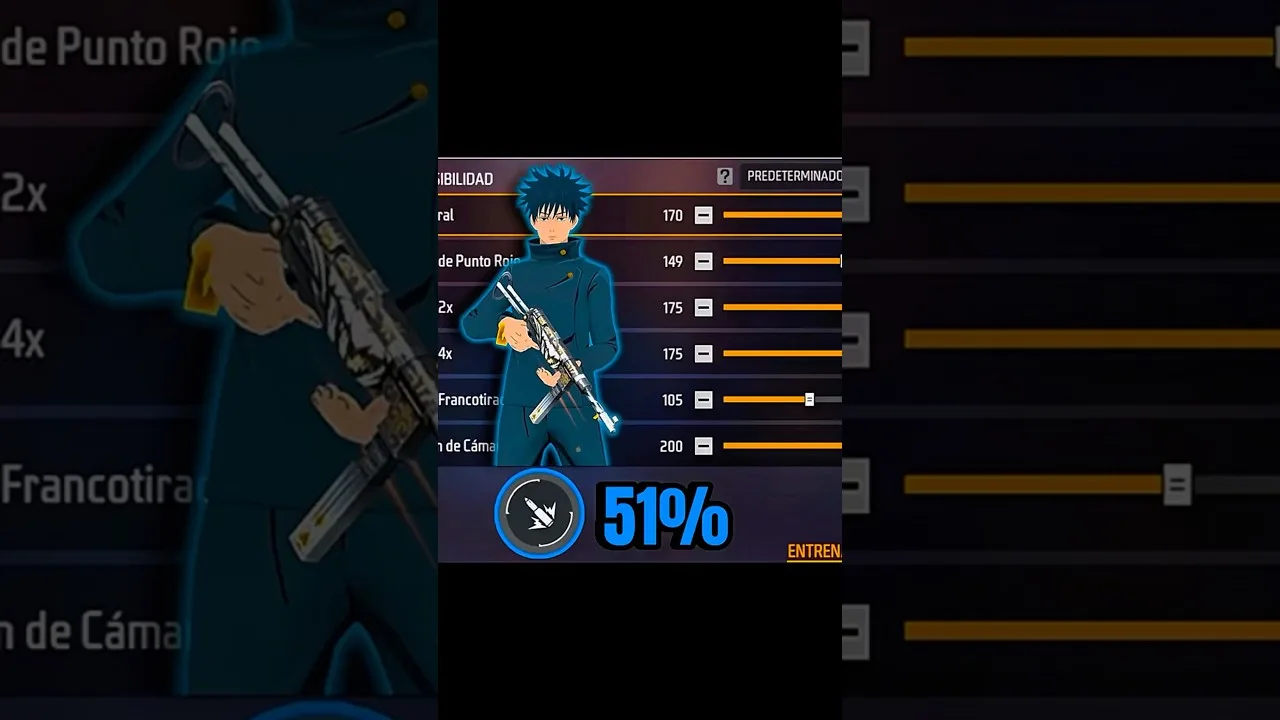
Use symptoms to choose: overshooting turns points to general, trailing a strafing target points to the scope in use, drag shots stopping low or high point to red dot. The Sensibilidades features guide helps you see where each of these values lives inside the app, so the fix happens in the right section instead of by guesswork across all of them.
Should I Copy a Pro or a Friend's Setup?
Copy the structure, adapt the numbers. A shared setup shows you how an experienced player balances general against scoped values, which is genuinely useful, but the exact figures belong to their device, DPI and hands. Apply borrowed values, scale the general slider to your screen with the half-turn test, and prove the result in drills before adopting it.
The same rule applies in reverse when friends ask for your setup: send the complete record with DPI and device notes, not a bare screenshot. A setup shared with context helps; a setup shared without it mostly creates confusion and a week of bad matches for someone who trusted your numbers.
What About DPI, Low-End Phones and New Devices?
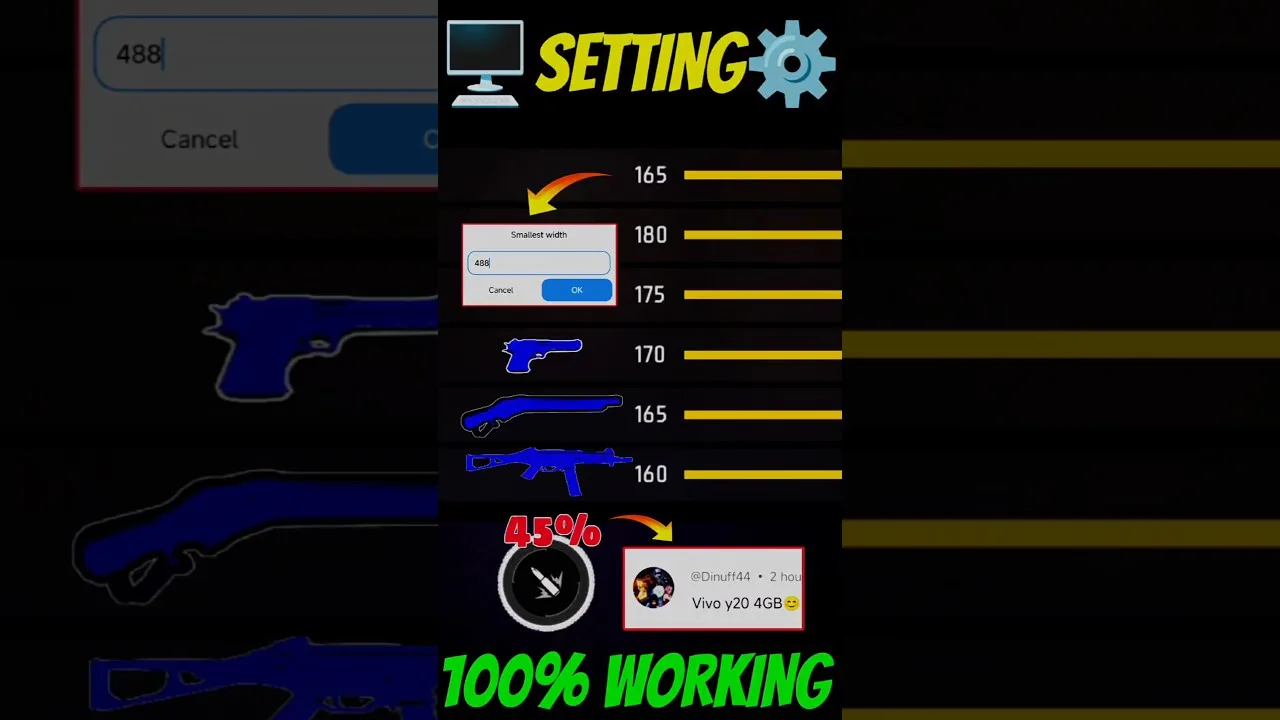
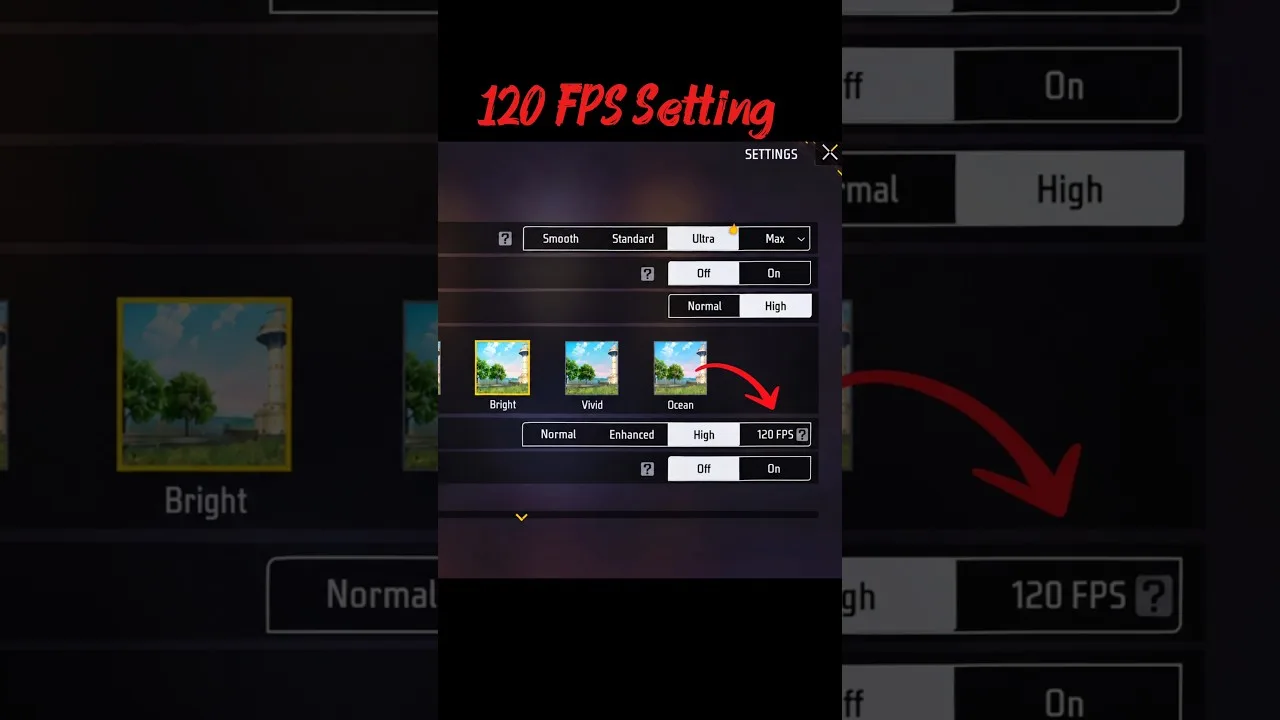
Treat DPI as part of the setup, never as a separate experiment: change it and your existing values will feel different, so adjust sensitivity afterwards and record the new pairing together. On low-end phones, prefer calmer values and stable frame rates over copied flagship speed, because frame drops magnify every fast input into visible jumps.
On a new device, carry your recorded setup over as a starting point and retune the base with turning and tracking drills; screen size and refresh rate differences usually need only small corrections. In every case the pattern is identical: record, change one thing, test with drills, and give the result time before judging it.
Putting This Into Practice
Set aside one short session devoted only to the rules behind the most common sensitivity questions. Do not chase wins during this session and do not judge the setup by the scoreboard at the end of it. Your only task is to repeat the same movements until they feel ordinary: small single changes proven by drills instead of judged by single matches. When a movement starts to feel ordinary, that is useful information, because ordinary means your hands have stopped negotiating with the setting and have started trusting it. Write down what felt easier and what still felt awkward while the session is fresh, using plain words you will understand when you read the note again next week.
Next, carry the same focus into two or three normal matches without changing anything, even if the first match goes badly. A setup for the rules behind the most common sensitivity questions has to survive different maps, different weapons and the small panic that arrives when a fight starts closer than expected. If it only works in a quiet training room, it is not finished yet, and the honest response is one small adjustment followed by the same test again, not a full rebuild. If it works across those matches, protect it: record the values, leave them alone for several days, and let repetition turn a good test result into dependable muscle memory you can rely on under pressure.
Finally, review the result at the end of the week rather than at the end of a single evening. Ask one simple question: did the rules behind the most common sensitivity questions feel more predictable than it did seven days ago? Predictable is the right standard, because competitive aim is built on movements you can repeat when tired, rushed or surprised. If the answer is yes, keep the setup and move your attention to the next weakest part of your game. If the answer is no, change the one value most closely connected to the problem, by the smallest step you can feel, and repeat the weekly cycle with the same patience.
Final Thoughts
Most sensitivity questions dissolve once the method is clear. Values are personal, changes should be small and single, proof comes from drills, and records protect progress. Keep those four rules and new questions tend to answer themselves as you test.
When a question remains, it is usually specific to your device and your hands, which means the honest answer is a short experiment, run calmly, with notes, on your own phone.